


-01.png)
Benefits of Sustainable Building Practices in Jamaica
- MatandaraClarke Architects

- Jan 30
- 4 min read
Sustainable building practices are transforming the way we design and construct homes and commercial spaces worldwide. In Jamaica, these practices are gaining momentum as the island faces unique environmental challenges and opportunities. Embracing sustainable building methods not only helps protect the environment but also offers economic and social benefits that can improve the quality of life for residents and businesses alike.
Jamaica’s tropical climate, abundant natural resources, and growing tourism industry make it an ideal candidate for green building initiatives. By integrating energy-efficient designs, renewable materials, and water conservation techniques, sustainable buildings can reduce operational costs and environmental impact. Let's explore the many benefits of sustainable building practices in Jamaica and provides practical insights for those interested in adopting these methods.
Understanding Sustainable Building Practices
Sustainable building practices focus on creating structures that minimize environmental impact while maximizing efficiency and occupant comfort. These practices include using eco-friendly materials, optimizing energy and water use, and designing buildings that harmonize with their natural surroundings.
In Jamaica, sustainable building practices often involve:
Utilizing local materials such as bamboo, recycled wood, and stone to reduce transportation emissions.
Incorporating natural ventilation and shading to reduce reliance on air conditioning.
Installing solar panels to harness abundant sunlight for electricity.
Implementing rainwater harvesting systems to conserve water.
Designing with energy-efficient lighting and appliances to lower electricity consumption.
These methods not only reduce the carbon footprint of buildings but also help preserve Jamaica’s rich biodiversity and natural beauty.
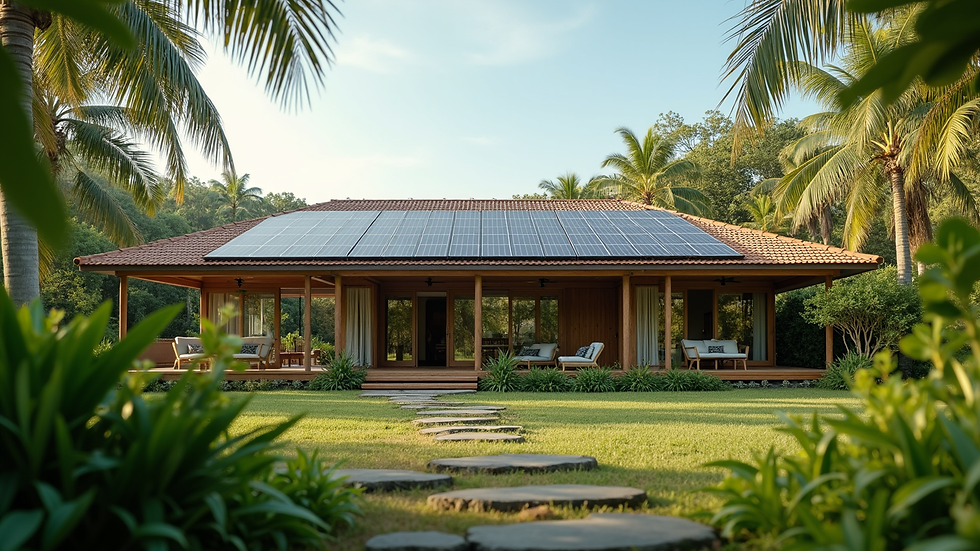
Environmental Benefits of Sustainable Building in Jamaica
One of the most significant advantages of sustainable building is its positive impact on the environment. Jamaica faces challenges such as deforestation, water scarcity, and vulnerability to hurricanes. Sustainable buildings help address these issues by:
Reducing greenhouse gas emissions through energy-efficient designs and renewable energy sources.
Conserving water resources by using low-flow fixtures and rainwater collection systems.
Minimizing waste by recycling construction materials and reducing landfill use.
Protecting natural habitats by careful site selection and landscaping with native plants.
For example, a hotel built with sustainable practices can reduce its energy consumption by up to 40%, significantly lowering its carbon footprint. This not only helps combat climate change but also preserves the island’s natural attractions that are vital for tourism.
How much does a green building cost?
Many people wonder about the financial implications of sustainable construction. While the initial investment in green building materials and technologies can be higher than traditional methods, the long-term savings often outweigh these costs.
Initial costs: Sustainable materials like bamboo flooring or recycled steel may cost more upfront. Installing solar panels or energy-efficient HVAC systems also requires a higher initial budget.
Operational savings: Reduced energy and water bills can save homeowners and businesses thousands of Jamaican dollars annually.
Increased property value: Green buildings often have higher resale values due to their efficiency and appeal.
Government incentives: Jamaica offers tax breaks and grants for renewable energy installations and sustainable construction, helping offset initial expenses.
For instance, a residential project that invests 10% more in sustainable features can expect to recover this cost within 5-7 years through lower utility bills and maintenance costs. This makes green building a financially sound choice in the medium to long term.
Economic and Social Advantages of Sustainable Building
Beyond environmental benefits, sustainable building practices contribute to Jamaica’s economy and society in several ways:
Job creation: The green building sector generates employment opportunities in construction, renewable energy, and sustainable design.
Health improvements: Buildings with better ventilation, natural lighting, and non-toxic materials promote healthier living and working environments.
Energy independence: By using solar and other renewable sources, Jamaica can reduce its reliance on imported fossil fuels, improving energy security.
Community resilience: Sustainable buildings are often more durable and better equipped to withstand extreme weather events, protecting residents and investments.
For example, a community center built with sustainable materials and solar power can serve as a safe haven during hurricanes, while also reducing energy costs and promoting social cohesion.

Practical Steps to Implement Sustainable Building in Jamaica
Adopting sustainable building practices in Jamaica can be straightforward with the right approach. Here are some actionable recommendations:
Conduct an energy audit to identify areas for improvement in existing buildings.
Choose local and renewable materials to reduce environmental impact and support local businesses.
Design for natural ventilation and daylight to minimize energy use.
Install solar panels and energy-efficient appliances to cut electricity costs.
Implement rainwater harvesting and greywater recycling to conserve water.
Engage with certified green building professionals for expert guidance.
Stay informed about government incentives and regulations to maximize benefits.
By following these steps, homeowners, developers, and businesses can contribute to a more sustainable future for Jamaica.
The Future of Sustainable Building in Jamaica
The future of construction in Jamaica is increasingly green. As awareness grows and technology advances, sustainable building practices will become the norm rather than the exception. This shift will help Jamaica meet its environmental goals, boost its economy, and improve the quality of life for its people.
Investing in sustainable building is not just an environmental choice but a smart economic and social strategy. Whether building a new home, renovating an office, or developing a resort, embracing these practices ensures resilience, efficiency, and harmony with Jamaica’s unique environment.
For those interested in learning more about sustainable construction options, exploring resources on green building jamaica can provide valuable insights and support.
Sustainable building practices offer a pathway to a healthier, more prosperous Jamaica. By prioritizing eco-friendly design and construction, the island can protect its natural heritage while fostering economic growth and community well-being. The time to build green is now.


Comments