


-01.png)
Climate Responsive Design: A Sustainable Future
- MatandaraClarke Architects

- Jul 15, 2025
- 4 min read
Updated: Mar 31
Climate-responsive design is an architectural approach that focuses on how buildings interact with their environment. It considers factors like local climate conditions, such as temperature, rainfall, and sunlight, to create structures that maximize comfort while minimizing energy use.
This approach highlights techniques like passive solar heating, natural ventilation, and the use of sustainable materials. For example, buildings designed with wide overhangs can provide shade in the summer, reducing the need for air conditioning. By incorporating these elements, architects foster a balance between the inhabitants and the surroundings.
Enhanced Energy Efficiency
One major advantage of climate-responsive design is improved energy efficiency. By using strategies like natural ventilation and daylighting, buildings can significantly cut energy use for heating and cooling.
Consider this: a properly oriented building can reduce heating costs by up to 30% in winter. In Los Angeles, buildings designed with proper shading can see a 20% drop in cooling costs during the summer. These reductions lead to lower energy bills and a decreased carbon footprint, benefiting both the occupants and the environment.
Improved Indoor Air Quality
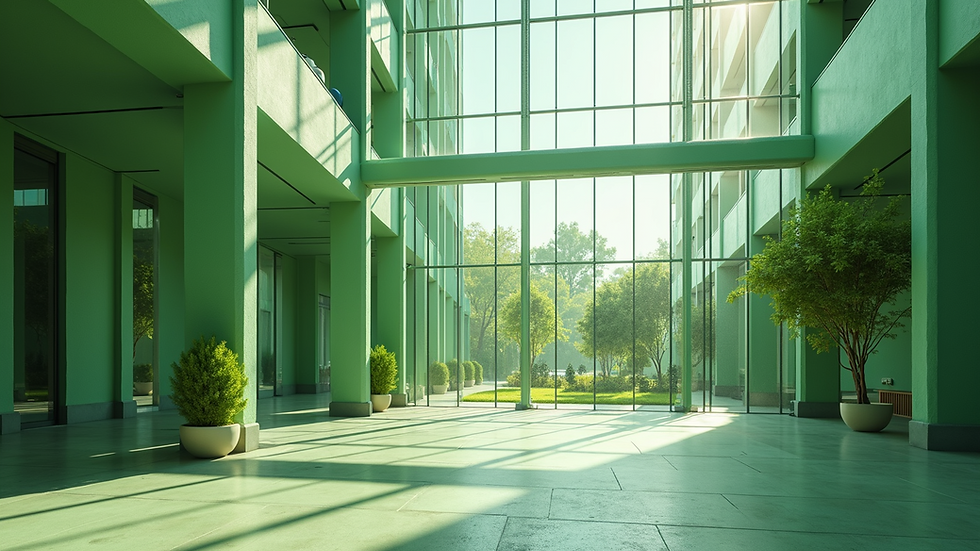
Climate-responsive buildings often prioritize natural ventilation, which is vital for maintaining healthy indoor environments. By enabling fresh air to circulate, these spaces can significantly reduce indoor pollutants and allergens typically found in tightly sealed structures.
For example, buildings that feature operable windows and designed ventilation paths see a marked improvement in indoor air quality and occupant comfort. This method can reduce reliance on mechanical air conditioning by up to 40%, leading to both cost savings and enhanced well-being for occupants.
Cost Savings Over Time
Investing in climate-responsive design may come with a higher upfront cost, but the long-term savings are substantial. Initial investments in sustainable materials and innovative systems often pay off through reduced utility bills, lower maintenance expenses, and increased property values.
For instance, owners of energy-efficient buildings can save an average of 25% to 40% on operational costs annually. Many governments offer incentives to encourage green building practices, which can further offset these initial expenses. It’s a wise financial decision that boosts both economic and environmental health.
Connection with Nature
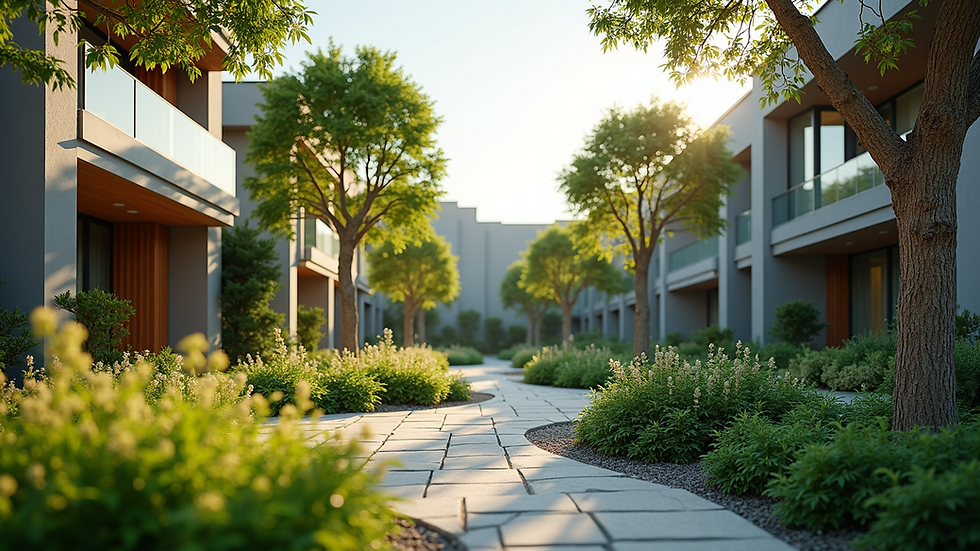
One powerful benefit of climate-responsive design is its ability to foster a close bond between occupants and the natural world. Through thoughtful incorporation of outdoor spaces, such as gardens, water features, and natural materials, architects create environments that invite appreciation of nature.
Research shows that buildings designed with natural elements can lead to a 15% increase in occupant satisfaction. Features like green roofs not only enhance aesthetics but also improve mental well-being, reduce stress, and significantly boost overall happiness.
Adaptive to Climate Change
Climate-responsive design is adaptable, which is crucial in an era of climate uncertainty. By anticipating future climate scenarios during the design process, architects can create resilient structures.
For example, buildings can incorporate water-management systems that handle increased rainfall or features that help them withstand heat waves. This forward-thinking approach ensures that spaces remain functional and supportive while also enhancing community resilience.
Enhanced Aesthetic Value
Beyond functionality, climate-responsive design significantly boosts aesthetic appeal. Buildings that harmonize with their environments not only stand out but also reflect the local landscape and climate.
This unique aesthetic often leads to increased desirability among buyers and tenants. Properties designed with local characteristics can see a rise in value of up to 30%. Ultimately, such designs create a sense of place that enriches community ties.
Support for Local Ecosystems
Another crucial aspect of climate-responsive design is its support for local ecosystems. By integrating nature into architectural plans, like through green roofs, wildlife habitats, and utilizing native plants, architects can create environments that encourage biodiversity.
Practices like these not only enhance the beauty of spaces but also provide essential ecosystem services. For instance, green roofs can improve stormwater management and air quality, contributing positively to local environments.
A Path to Sustainability
Climate-responsive design represents more than just a trend; it’s a necessary approach for addressing environmental challenges. At MatandaraClarke Architects, we understand the immense benefits of sustainability.
By utilizing thoughtful design strategies, we can create spaces that enhance comfort, reduce energy consumption, support health, and foster resilience against climate change.
If you want to discover how beauty and sustainability can coexist in your next project, we invite you to explore our climate-responsive design processes. Together, we can transform spaces into environments that don’t just look great but live in harmony with the beauty of nature.
Let’s take the first step toward a more sustainable and connected future.
The Future of Climate-Responsive Design
As we look ahead, the importance of climate-responsive design will only grow. With the ongoing impacts of climate change, architects must continue to innovate. This means developing new strategies that not only meet current needs but also anticipate future challenges.
Innovative Materials and Technologies
The future of climate-responsive design will likely involve new materials and technologies. Innovations in insulation, energy generation, and water management will play a significant role. For instance, smart glass that adjusts to sunlight can enhance energy efficiency. Similarly, advanced insulation materials can reduce heat loss, making buildings more comfortable year-round.
Community Engagement
Engaging with the community is essential for successful climate-responsive design. Architects must consider the needs and desires of the people who will inhabit these spaces. This can involve public consultations, workshops, and collaborative design processes. By involving the community, architects can create spaces that truly reflect the values and aspirations of those who use them.
Education and Awareness
Raising awareness about the benefits of climate-responsive design is crucial. As more people understand the importance of sustainable practices, demand for eco-friendly buildings will increase. Educational initiatives can help spread knowledge about energy efficiency, indoor air quality, and the connection between design and well-being.
Conclusion: A Collective Responsibility
In conclusion, climate-responsive design is not just an architectural trend; it is a collective responsibility. As we face the challenges of climate change, architects, builders, and communities must work together. By prioritizing sustainability, we can create a better future for ourselves and generations to come.
We are committed to leading the way in climate-responsive design. Join us in our mission to create spaces that are not only beautiful but also sustainable and resilient. Together, we can make a lasting impact on our environment and our communities.


Comments