


-01.png)
Exploring the Latest Trends in Jamaican Interior Design
- MatandaraClarke Architects

- May 14
- 4 min read
Jamaican interior design has evolved significantly in recent years, blending rich cultural heritage with modern aesthetics. This fusion creates spaces that feel both inviting and unique, reflecting the island’s vibrant spirit and natural beauty. Whether you live in Jamaica or simply admire its style, understanding these trends can inspire your own home or projects.
Embracing Natural Materials and Textures
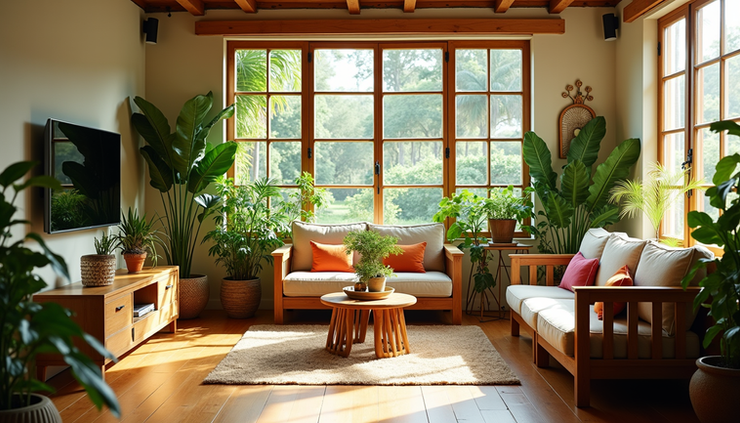
One of the most noticeable trends in Jamaican interior design is the use of natural materials. Wood, bamboo, rattan, and stone are popular choices that bring warmth and authenticity to interiors. These materials connect indoor spaces with the island’s lush environment, creating a seamless flow between nature and home.
Wooden furniture with simple, clean lines is favored for its durability and timeless appeal.
Rattan chairs and light fixtures add a casual, tropical vibe.
Stone accents in kitchens and bathrooms provide texture and a sense of permanence.
Designers often combine these materials with neutral tones and earthy colors to keep spaces feeling fresh and grounded.
Bold Colors Inspired by Jamaican Culture
While natural tones dominate, bold colors inspired by Jamaican culture also play a key role. Bright yellows, deep greens, and vibrant reds appear in accent walls, textiles, and decorative pieces. These colors reflect the island’s flag and its lively traditions, bringing energy and personality to rooms.
Accent pillows and throws in bright hues add pops of color without overwhelming the space.
Artwork and murals often feature Jamaican themes, such as tropical flora, reggae music, or local wildlife.
Kitchens and dining areas sometimes showcase colorful tiles or backsplashes that celebrate Caribbean craftsmanship.
This approach balances calm natural elements with joyful bursts of color, making interiors feel both relaxing and spirited.
Open, Airy Layouts with Indoor-Outdoor Flow
Jamaica’s warm climate encourages open, airy living spaces that blur the line between indoors and outdoors. Recent designs emphasize large windows, sliding doors, and verandas that invite natural light and fresh air.
Living rooms often open directly onto patios or gardens.
Outdoor furniture is chosen to complement indoor styles, creating a cohesive look.
Ceiling fans and light fabrics help maintain comfort without relying heavily on air conditioning.
This design trend supports a lifestyle centered on nature, relaxation, and social gatherings.
Sustainable and Eco-Friendly Design Choices
Sustainability is gaining traction in Jamaican interior design. Homeowners and designers are increasingly aware of environmental impact and seek eco-friendly options.
Use of locally sourced materials reduces transportation emissions and supports local artisans.
Reclaimed wood and recycled materials appear in furniture and decor.
Energy-efficient lighting and appliances are integrated without sacrificing style.
This shift reflects a global movement toward responsible living, adapted to Jamaica’s unique context.
Incorporating Traditional Jamaican Craftsmanship
Traditional Jamaican craftsmanship remains a vital influence. Handmade items such as woven baskets, pottery, and carved wood pieces add authenticity and cultural depth.
These crafts often serve as focal points or conversation starters.
Combining traditional pieces with modern furniture creates a balanced, layered look.
Supporting local artisans helps preserve cultural heritage and promotes sustainable economies.
This trend honors Jamaica’s past while keeping interiors fresh and relevant.
Minimalism with a Caribbean Twist
Minimalism has found its way into Jamaican interiors but with a Caribbean twist. Instead of stark, cold spaces, minimalism here means clean, uncluttered rooms that still feel warm and inviting.
Furniture is functional and streamlined but made from natural materials.
Decorative elements are carefully chosen for meaning and impact.
Spaces emphasize comfort and ease, avoiding excess.
This style suits those who want simplicity without losing the island’s character.
Smart Use of Lighting to Enhance Mood
Lighting plays a crucial role in setting the tone of Jamaican interiors. Designers use a mix of natural light and layered artificial lighting to create ambiance.
Large windows maximize daylight.
Warm-toned bulbs and lamps add coziness in the evening.
Statement light fixtures made from natural fibers or metals serve as art pieces.
Good lighting highlights textures, colors, and architectural details, making spaces feel dynamic and welcoming.
Popular Furniture Styles and Layouts
Furniture trends in Jamaica combine comfort with style. Popular choices include:
Low-profile sofas and chairs that encourage relaxation.
Multi-functional pieces like storage ottomans or foldable tables for smaller spaces.
Outdoor furniture designed to withstand tropical weather without sacrificing design.
Layouts favor open plans that encourage social interaction and easy movement.
Bringing Nature Inside with Plants and Greenery
Indoor plants are a staple in Jamaican interior design. They improve air quality and add life to rooms.
Large leafy plants like monstera or palms are common.
Hanging planters and vertical gardens save space and add visual interest.
Plants are often grouped in corners or near windows for natural light.
This trend reinforces the connection between home and nature.
Technology Integration Without Disrupting Style
Modern Jamaican homes incorporate technology subtly to maintain aesthetic appeal.
Built-in speakers and smart lighting systems blend into the design.
Hidden charging stations and cable management keep spaces tidy.
Home automation focuses on convenience without clutter.
This approach balances modern living needs with design integrity.


Comments