


-01.png)
Importance of Hiring Local Architects for Hurricane-Resistant Design in Jamaica

Jamaica’s tropical climate and location in the hurricane belt make it vulnerable to powerful storms every year. These hurricanes can cause devastating damage to homes and infrastructure. Building structures that withstand such forces requires more than just standard design—it demands expertise in local building codes and hurricane-resistant techniques. Hiring architects experienced with Jamaica’s specific regulations and environmental challenges is essential for creating safe, durable, and compliant buildings.
Understanding Jamaica’s Building Codes and Regulations
Jamaica has established building codes that reflect the island’s unique climate risks, especially hurricanes. These codes set minimum standards for construction materials, structural integrity, and safety features. Architects familiar with these codes ensure that designs meet or exceed legal requirements, reducing the risk of costly repairs or legal issues after construction.
Local codes address wind loads specific to hurricane speeds common in Jamaica.
They require reinforced concrete and steel framing in certain zones.
Regulations include stormwater management to prevent flooding.
Codes mandate secure roofing systems to resist uplift forces from strong winds.
An architect who understands these details can design buildings that not only comply with the law but also protect occupants and property during extreme weather.
Why Hurricane-Resistant Design Matters in Jamaica
Hurricanes bring intense winds, heavy rain, and flying debris. Without proper design, buildings can suffer roof loss, wall collapse, or flooding. Hurricane-resistant design focuses on minimizing these risks through specific construction methods and materials.
Key elements include:
Aerodynamic building shapes that reduce wind pressure.
Impact-resistant windows and doors to prevent breakage.
Elevated foundations to avoid flood damage.
Strong roof attachments to keep roofs anchored during storms.
These features increase a building’s resilience, protecting lives and reducing insurance costs. Local architects know which strategies work best in Jamaica’s environment and can tailor designs accordingly.
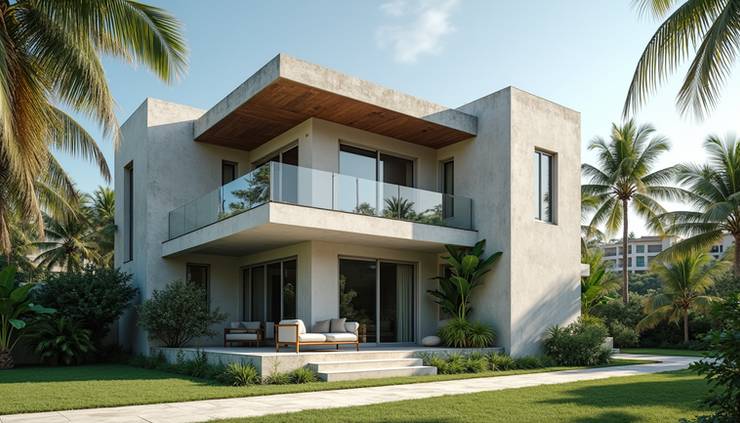
Benefits of Hiring Architects Experienced with Local Conditions
1. Compliance with Legal Requirements
Local architects stay updated on changes to building codes and zoning laws. They guide clients through the permitting process, ensuring all paperwork and inspections meet government standards. This reduces delays and avoids fines or forced modifications.
2. Cost-Effective Design Solutions
Experienced architects balance safety with budget. They recommend materials and construction techniques that provide protection without unnecessary expense. For example, they might suggest locally sourced materials that perform well under hurricane conditions and reduce transportation costs.
3. Customized Designs for Site-Specific Challenges
Every site in Jamaica has unique features such as soil type, elevation, and exposure to wind. Local architects conduct thorough site analysis to design foundations and structures that suit these conditions. This customization improves building performance and longevity.
4. Access to Trusted Local Contractors and Suppliers
Architects with local experience have established relationships with reliable builders and suppliers. This network ensures quality workmanship and timely delivery of materials, which is critical for hurricane-resistant construction.
Real-Life Examples of Successful Hurricane-Resistant Projects
In recent years, several homes and commercial buildings in Jamaica have demonstrated the value of hiring local architects for hurricane-resistant design.
A beachfront villa in Montego Bay was rebuilt using reinforced concrete walls and impact-resistant glass after Hurricane Ivan in 2004. The architect’s knowledge of local codes ensured the home passed inspections and withstood subsequent storms.
A school in Kingston incorporated elevated classrooms and secure roofing systems designed by a local architect. This design minimized damage during Hurricane Sandy in 2012, allowing the school to reopen quickly.
These examples show how local expertise translates into safer, more resilient buildings.
How to Choose the Right Architect in Jamaica
When selecting an architect for hurricane-resistant design, consider the following:
Check credentials and licensing to confirm they are authorized to practice in Jamaica.
Review portfolios for projects involving hurricane-resistant features.
Ask about familiarity with local building codes and experience navigating the permitting process.
Request references from previous clients who had similar projects.
Discuss their approach to balancing safety, aesthetics, and budget.
Choosing the right architect is an investment in your property’s future safety and value.
The Role of Architects in Sustainable and Resilient Communities
Beyond individual buildings, architects contribute to community resilience by designing neighborhoods that reduce hurricane impact. This includes planning for:
Effective drainage systems to prevent flooding.
Windbreaks and landscaping that reduce wind speeds.
Community shelters built to withstand severe storms.
Local architects understand Jamaica’s environmental and social context, enabling them to design solutions that protect entire communities.

Comments