


-01.png)
Exploring the Unique Architectural Treasures of Port Royal Jamaica and Their Historical Significance
- MatandaraClarke Architects

- Apr 7
- 3 min read
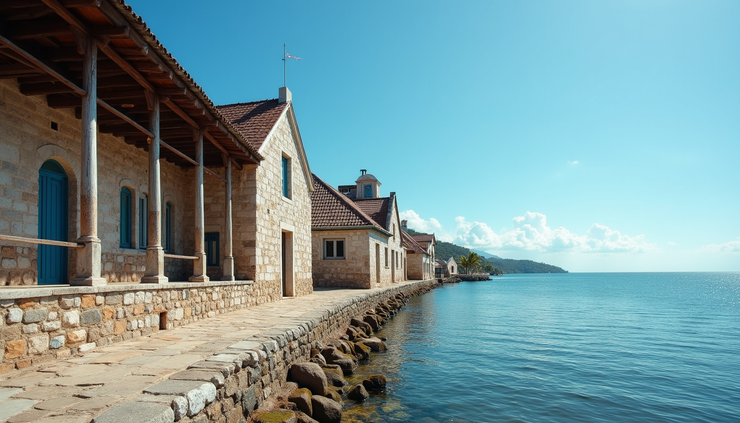
Port Royal, once known as the "wickedest city on earth," holds a unique place in Jamaica’s history. Its architecture reflects a blend of colonial influences, natural disasters, and cultural shifts that shaped the town over centuries. We are going to explore the distinctive architectural features of Port Royal, highlighting key buildings, construction materials, and the lasting cultural impact on modern Jamaican society.
The Historical Significance of Port Royal
Port Royal was established in the late 17th century as a major port and commercial hub during the colonial era. It quickly became a center for trade, piracy, and naval operations. The town’s wealth attracted merchants, privateers, and settlers, which influenced its architectural development.
The city’s prominence ended abruptly in 1692 when a massive earthquake submerged much of Port Royal underwater. Despite this, the remaining structures and subsequent rebuilding efforts provide a window into the architectural styles and materials used during the colonial period.
Colonial Influences on Port Royal’s Architecture
The architecture of Port Royal reflects a mix of English, Spanish, and Caribbean styles. English colonial design dominates, characterized by practical, sturdy structures built to withstand tropical weather and occasional natural disasters.
Key Features of Colonial Architecture in Port Royal
Wooden Frame Construction: Many buildings used timber frames with wooden cladding, a common practice due to the availability of local hardwoods.
Stone Foundations: Stone was often used for foundations and lower walls to provide stability and resist flooding.
Gabled Roofs: Steeply pitched roofs helped with rainwater runoff, often covered with wooden shingles or corrugated metal.
Verandas and Shutters: Wide verandas and wooden shutters provided shade and ventilation, essential for comfort in the tropical climate.
Simple Ornamentation: Decorative elements were minimal, focusing on functionality rather than elaborate design.
Key Buildings and Structures in Port Royal
Several buildings stand out for their architectural and historical value. These structures offer insight into the construction techniques and materials used during the town’s peak.
The Giddy House
One of the most famous landmarks, the Giddy House, is a small artillery storehouse tilted at an angle due to the 1692 earthquake. Its brick and stone construction has survived centuries, illustrating the resilience of colonial masonry.
Fort Charles
Built in the 17th century, Fort Charles served as a defensive stronghold. Its thick limestone walls and bastions reflect military architectural principles of the time, designed to protect against naval attacks.
The Old Customs House
This building was central to Port Royal’s trade operations. Constructed with a combination of stone and wood, it features large windows and a spacious veranda, blending utility with colonial style.
Residential Houses
Many surviving homes in Port Royal showcase timber framing with clapboard siding. These houses often have raised foundations to protect against flooding and feature wide eaves and shutters for climate control.
Materials Used in Port Royal Architecture
The choice of materials was influenced by availability, climate, and the need for durability.
Coral Stone and Limestone: Locally quarried stones were common for foundations and fortifications.
Hardwoods: Jamaican hardwoods like mahogany and cedar were used for framing, flooring, and decorative elements.
Brick and Mortar: Bricks made from local clay were used in some structures, often combined with lime mortar.
Metal Roofing: Corrugated iron became popular in later periods for its durability and ease of installation.
Cultural Impact on Modern Jamaican Society
Port Royal’s architecture is more than historical relics; it shapes Jamaica’s cultural identity and tourism. The town’s buildings tell stories of colonial ambition, resilience, and adaptation.
Tourism and Education: Restored buildings attract visitors interested in history and architecture, supporting local economies and educational programs.
Architectural Inspiration: Elements of Port Royal’s colonial style influence modern Jamaican architecture, especially in coastal towns where climate considerations remain important.
Cultural Heritage: The preservation of Port Royal’s architecture fosters pride in Jamaica’s diverse history, including its colonial past and the resilience of its people.
Preserving Port Royal’s Architectural Legacy
Efforts to protect and restore Port Royal’s buildings face challenges such as erosion, rising sea levels, and limited funding. Preservation projects focus on:
Stabilizing existing structures
Documenting architectural details
Promoting sustainable tourism
Engaging local communities in heritage conservation
These initiatives ensure that Port Royal’s unique architectural treasures continue to educate and inspire future generations.


Comments