


-01.png)
The Role of a Skilled Architect in Creating Energy Efficient Homes in Jamaica
- MatandaraClarke Architects

- Apr 23
- 4 min read
Building an energy-efficient home in Jamaica is more than just a trend; it is a necessity. With rising energy costs and the island’s abundant natural resources, designing homes that use less energy while maintaining comfort is essential. A skilled architect plays a crucial role in turning this vision into reality. Their expertise ensures that homes are not only sustainable but also adapted to Jamaica’s unique climate and lifestyle.

Understanding Jamaica’s Climate and Energy Challenges
Jamaica’s tropical climate presents both opportunities and challenges for energy-efficient home design. The island experiences high temperatures, intense sunlight, and seasonal rainfall. These factors influence how homes should be built to reduce reliance on air conditioning and artificial lighting.
Energy costs in Jamaica are among the highest in the Caribbean, largely due to dependence on imported fossil fuels. This makes energy efficiency not only an environmental concern but also an economic priority for homeowners. A good architect understands these challenges and integrates solutions that reduce energy consumption and lower utility bills.
How Architects Design for Energy Efficiency
Architects bring technical knowledge and creative problem-solving to the design process. Here are key ways they contribute to energy-efficient homes in Jamaica:
Site Orientation and Layout
A skilled architect carefully studies the site’s orientation to maximize natural ventilation and daylight. Positioning the home to capture prevailing breezes helps cool indoor spaces naturally. Large windows and open floor plans encourage airflow, reducing the need for fans or air conditioning.
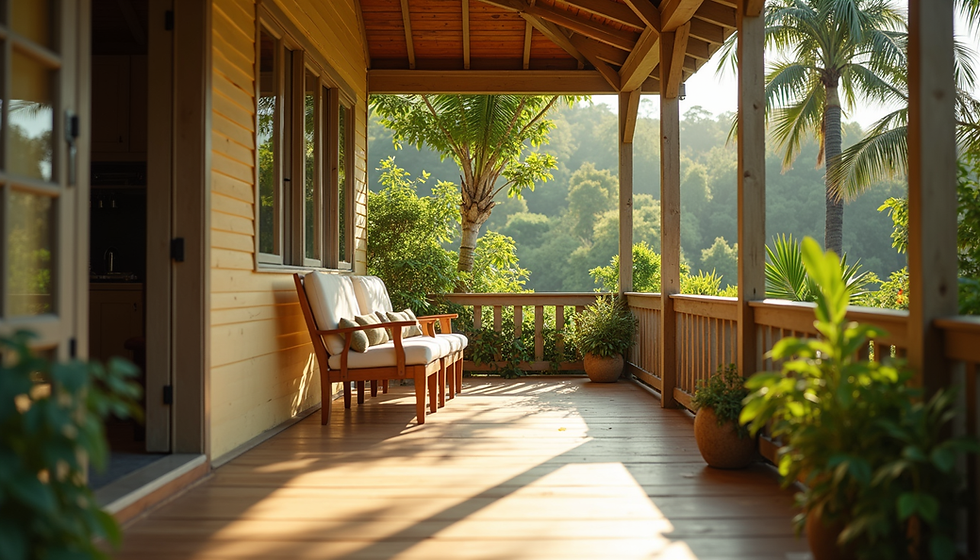
The architect also considers shading from trees or built structures to minimize heat gain. Overhangs, verandas, and pergolas are designed to block direct sunlight during the hottest parts of the day while allowing light in during cooler periods.
Use of Local and Sustainable Materials
Choosing the right materials is vital for energy efficiency. Architects often recommend locally sourced materials with good thermal properties, such as concrete blocks, clay bricks, or natural stone. These materials absorb and slowly release heat, helping to stabilize indoor temperatures.
In addition, architects may suggest eco-friendly insulation and reflective roofing materials that reduce heat absorption. Using sustainable materials also supports the local economy and reduces the environmental impact of transportation.
Incorporating Renewable Energy Systems
Many architects in Jamaica integrate renewable energy technologies into their designs. Solar panels are the most common choice, harnessing the island’s abundant sunlight to generate electricity or heat water. A well-designed home includes space and structural support for solar installations, as well as wiring and plumbing that optimize their use.
Some architects also plan for rainwater harvesting and greywater recycling systems, which reduce water consumption and energy used for pumping and treatment.
Efficient Lighting and Appliances
Architects specify energy-efficient lighting solutions such as LED fixtures and maximize natural daylight through window placement and skylights. They also recommend appliances with high energy ratings, ensuring the home’s overall energy demand stays low.
Smart Design for Cooling and Ventilation
Instead of relying solely on air conditioning, architects design homes that stay cool naturally. Features like high ceilings, cross-ventilation, and shaded outdoor spaces create comfortable living environments. This approach reduces energy use and improves indoor air quality.
Examples of Energy Efficient Homes in Jamaica
Several homes across Jamaica showcase how architects successfully apply these principles:
A hillside home in St. Andrew uses large overhangs and strategically placed windows to capture cool mountain breezes. Solar panels provide most of the electricity, and rainwater is collected for garden irrigation.
A beachfront villa in Negril features thick concrete walls and reflective roofing to minimize heat gain. The architect designed open living spaces that flow into shaded verandas, blending indoor and outdoor living while reducing cooling needs.
A family residence in Montego Bay incorporates a solar water heater and energy-efficient appliances. The architect oriented the house to maximize natural light and airflow, cutting electricity use by nearly 40% compared to similar homes.
Why Hiring a Skilled Architect Matters
Building an energy-efficient home requires more than following a checklist. It demands a deep understanding of local conditions, building science, and sustainable practices. A skilled architect:
Creates customized designs that fit the homeowner’s needs and the site’s characteristics.
Balances aesthetics and function to produce homes that are beautiful, comfortable, and efficient.
Navigates building codes and incentives related to energy efficiency in Jamaica.
Coordinates with engineers and contractors to ensure the design is executed properly.
Advises on cost-effective solutions that provide long-term savings.
Without professional guidance, homeowners risk costly mistakes such as poor orientation, inadequate insulation, or incompatible materials that undermine energy efficiency.
Steps to Work with an Architect for Your Energy Efficient Home
If you want to build an energy-efficient home in Jamaica, consider these steps:
Research architects with experience in sustainable design and local projects.
Discuss your energy goals and budget openly during initial consultations.
Request examples of past work that demonstrate energy-saving features.
Collaborate on design decisions such as materials, layout, and renewable energy options.
Plan for ongoing maintenance of energy systems like solar panels and water harvesting.
Final Thoughts on Energy Efficient Homes in Jamaica
Energy efficiency is becoming increasingly important in Jamaica as the nation seeks to reduce its energy costs, minimize environmental impact, and enhance the quality of life for its residents. Here are some key considerations:
Benefits of Energy Efficient Homes
Cost Savings: Reduced energy consumption leads to lower utility bills.
Environmental Impact: Decreased reliance on fossil fuels helps to lower greenhouse gas emissions.
Increased Comfort: Energy-efficient homes maintain better indoor temperatures and air quality.
Property Value: Energy efficiency can enhance the market value of homes.
Strategies for Implementation
Insulation: Proper insulation in walls, roofs, and floors can significantly reduce energy loss.
Energy-Efficient Appliances: Investing in appliances that consume less energy can lead to substantial savings.
Renewable Energy Sources: Utilizing solar panels and wind turbines can provide sustainable energy solutions.
Water Conservation: Implementing water-saving fixtures can reduce both water and energy usage.
Government and Community Support
Incentives: Government programs may offer financial incentives for homeowners to invest in energy-efficient upgrades.
Education: Community workshops and resources can raise awareness about the benefits and methods of energy efficiency.
Partnerships: Collaborations with local businesses can provide access to energy-efficient products and services.
Future Outlook
As Jamaica continues to explore sustainable development, energy-efficient homes will play a crucial role in achieving energy independence and sustainability goals. By embracing energy efficiency, homeowners can contribute to a greener future while enjoying the numerous benefits that come with it.


Comments