


-01.png)
Transforming Foundations: The Evolution of Construction Quality in Kingston Jamaica Over the Last Decade
- MatandaraClarke Architects

- May 9
- 3 min read
Construction quality in Kingston, Jamaica, has seen significant improvements over the past ten years. This transformation reflects a combination of stricter regulations, advances in building technology, and a growing awareness of the importance of durable, safe infrastructure. These changes have not only enhanced the safety and longevity of buildings but also contributed to the city’s resilience against natural disasters and its overall urban development.
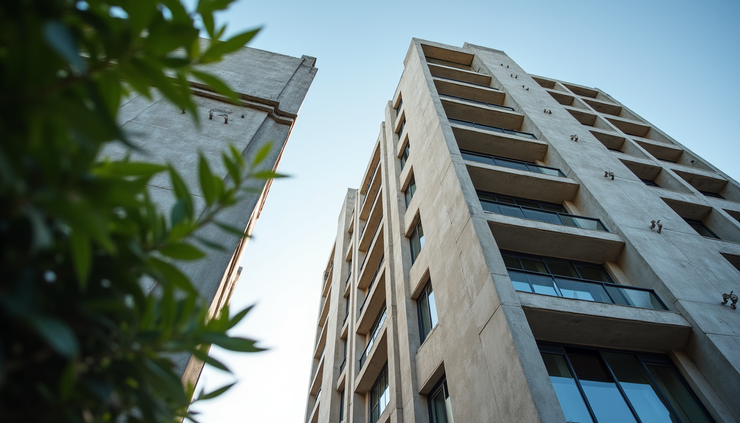
Strengthening Building Codes and Regulations
One of the key drivers behind improved construction quality in Kingston has been the revision and enforcement of building codes. Over the last decade, Jamaican authorities have updated standards to align more closely with international best practices. These updates focus on:
Structural integrity: Ensuring buildings can withstand earthquakes, hurricanes, and heavy rains common in the Caribbean.
Material standards: Mandating the use of higher-quality materials such as reinforced concrete and treated timber.
Inspection processes: Increasing the frequency and rigor of site inspections during construction phases.
For example, the introduction of the National Building Code of Jamaica (NBCJ) has provided a clear framework for builders and developers. This code requires detailed engineering plans and certifications before construction begins, reducing the risk of substandard work.
Adoption of Modern Construction Techniques
Kingston’s construction industry has embraced new technologies and methods that improve quality and efficiency. These include:
Prefabrication: Using factory-made components that meet strict quality controls before being assembled on-site.
Advanced concrete mixes: Incorporating additives that enhance durability and resistance to moisture and salt corrosion.
Seismic-resistant designs: Implementing structural features that absorb and dissipate earthquake energy.
These techniques have been particularly important in commercial and residential high-rise projects, where safety and longevity are critical. For instance, several new apartment complexes in Kingston now use prefabricated wall panels, reducing construction time and minimizing errors.
Training and Certification of Construction Professionals
Improved construction quality also depends on the skills of those involved. Over the last decade, there has been a push to enhance the training and certification of architects, engineers, and contractors in Kingston. Key developments include:
Mandatory licensing: Professionals must obtain licenses that require passing exams and demonstrating practical experience.
Continuing education: Regular workshops and courses keep professionals updated on new materials, techniques, and regulations.
Quality assurance programs: Some firms have introduced internal quality checks and third-party audits to maintain high standards.
This focus on professional development has helped reduce construction defects and improved project management, leading to safer and more reliable buildings.
Increased Focus on Sustainability and Resilience
Sustainability has become a priority in Kingston’s construction sector. Builders now consider environmental impact and energy efficiency alongside traditional quality measures. Examples include:
Use of eco-friendly materials: Bamboo, recycled steel, and low-VOC paints are more common.
Energy-efficient designs: Buildings incorporate natural ventilation, solar panels, and rainwater harvesting systems.
Resilience planning: Structures are designed to withstand flooding and strong winds, reducing damage during storms.
A notable project is the redevelopment of certain neighborhoods with green building principles, which has improved living conditions and reduced utility costs for residents.
Community and Government Collaboration
The government of Jamaica, along with local communities and private developers, has played a vital role in raising construction standards. Initiatives include:
Public awareness campaigns: Educating homeowners and developers about the importance of quality construction.
Incentives for compliance: Offering tax breaks or grants for projects that meet or exceed building standards.
Partnerships with international agencies: Collaborating with organizations like the World Bank to fund infrastructure improvements.
These efforts have encouraged wider adoption of best practices and helped ensure that construction quality improvements benefit all sectors of Kingston’s population.
Real-World Impact on Kingston’s Urban Landscape
The improvements in construction quality have reshaped Kingston’s skyline and neighborhoods. Some visible outcomes are:
Reduced building failures: Fewer reports of structural collapses or major repairs.
Enhanced property values: Higher-quality buildings attract investment and increase real estate prices.
Improved safety: Residents feel more secure in their homes and workplaces.
For example, the construction of the new National Arena and several modern office towers demonstrates the city’s commitment to quality and durability.


Comments